One question a week
Each issue stands on its own. Start anywhere.
ESSAYS & WEEKLY VISUAL EXPLORATIONS · BY SAURAV DAS
A notebook for thinking out loud. Each piece takes one question about work, faith, food, or machines and follows it through pictures, history, and evidence, with the sources left open.
9 pieces · newest first
No matching pieces yet. Try a broader phrase, another topic, or clear the filters to see everything.

Issue 003Latest
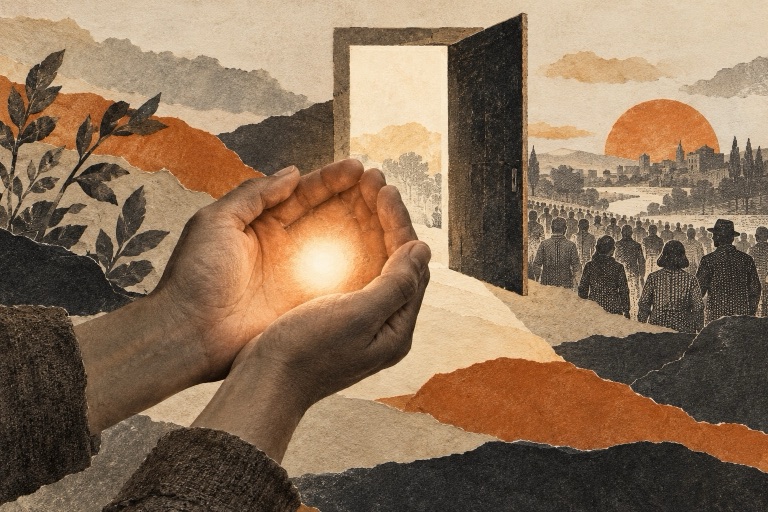
A job title often decides how long people listen. A conversation with a friend about losing a job, keeping a name for yourself, and the labels that arrive before we speak.
Issue 002
When life becomes insecure, faith can offer something to hold onto. A story about hope, belonging, and what happens when power learns to speak their language.
Issue 001
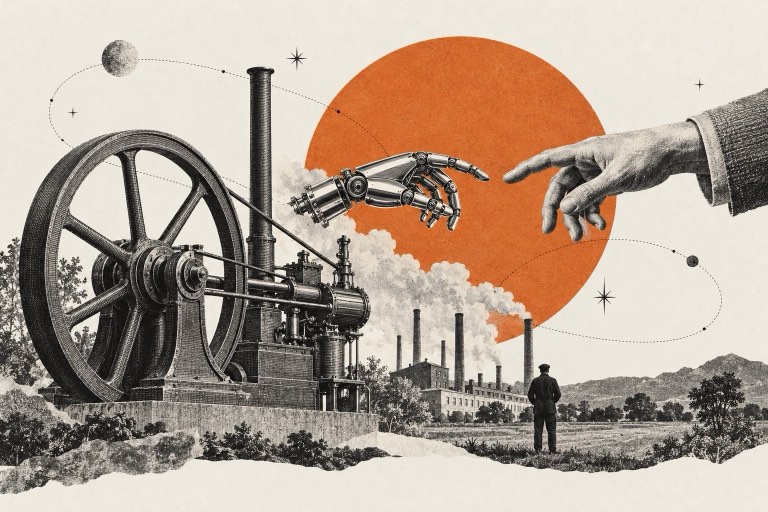
From Smith’s pin factory to AI: who gets the gains, the saved hour, and the room to explore?
EssayThe Pathology of More · Part I
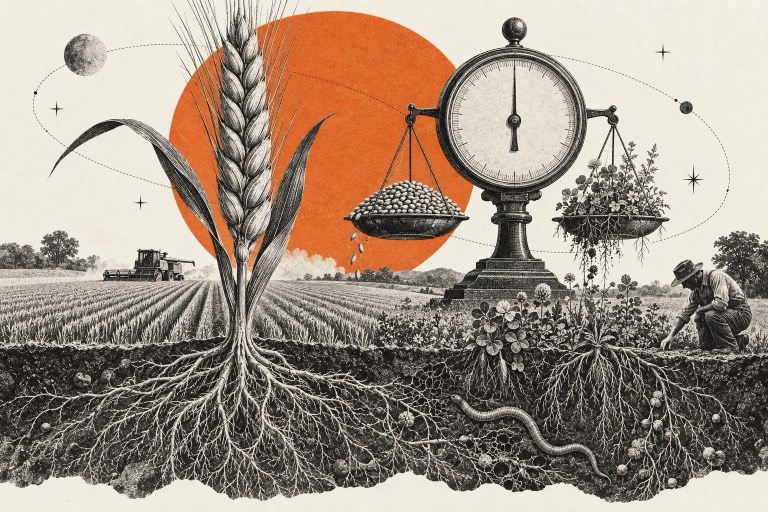
How single-metric maximization became the organizing ideology of modern food systems.
EssayThe Pathology of More · Part II
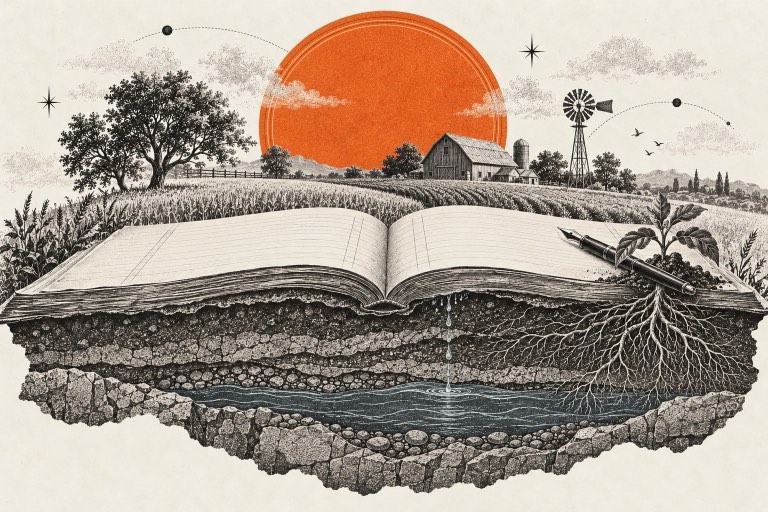
The innovation loop that fed eight billion people was debt-financed by ecological capital.
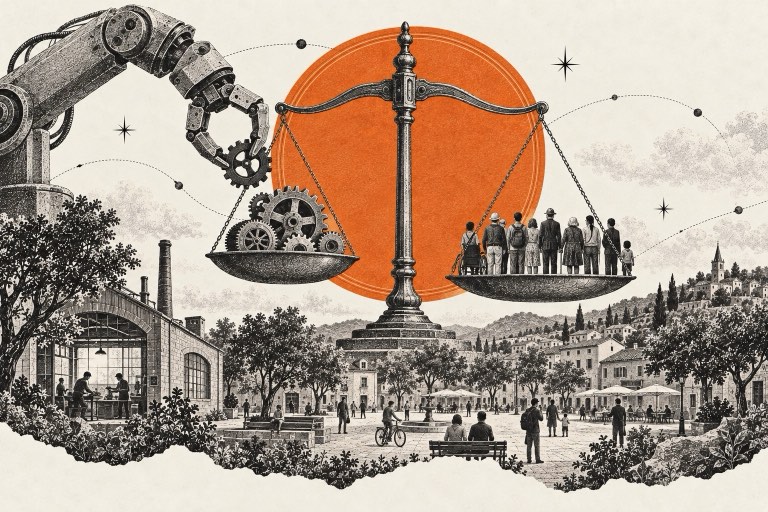
EssayPost-AI Economics · Part I
92 million jobs displaced by 2030, a K-shaped economy, and how to distribute AI’s gains broadly.
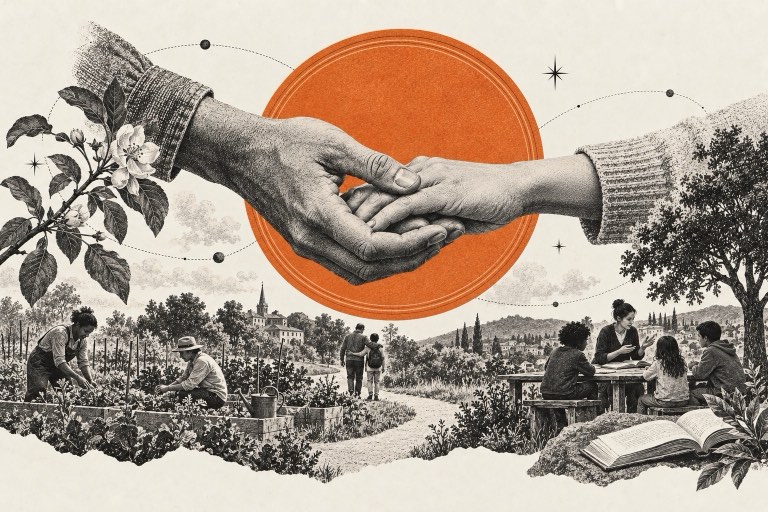
EssayPost-AI Economics · Part II
A two-layer reward system for the $12 trillion in invisible care, creativity, and community work.
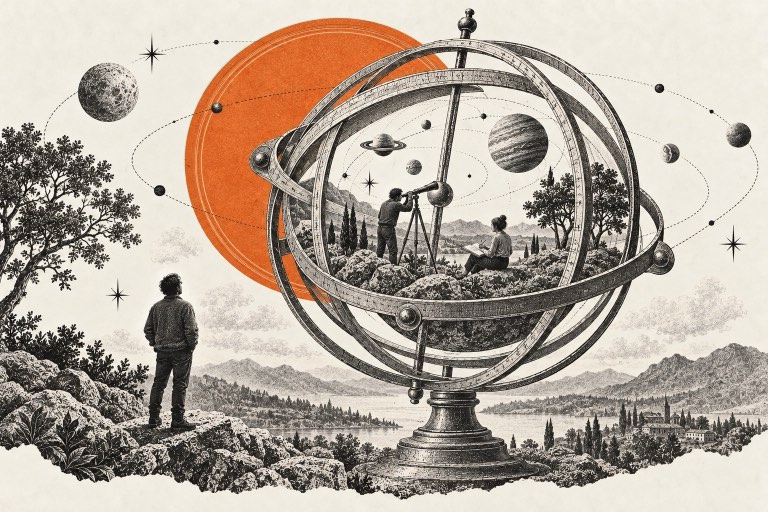
EssaySimulation research
A living Vedic universe where LLM-powered souls observe, theorize, and validate truths about their world.
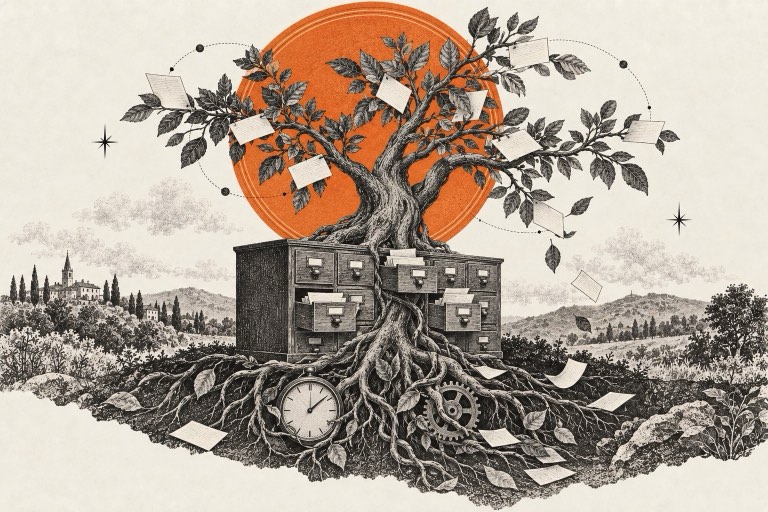
EssayPreprint
Salience-gated memory for AI agents: jolt-driven encoding, thermodynamic decay, and developmental plasticity.
Two essays run in parts, and the weekly issues keep a running thread.
Each issue stands on its own. Start anywhere.
Why “more” became agriculture’s answer, then the bill nobody audited.
From the problem to a possible response.
I’m Saurav, a soil scientist and builder. I understand ideas better when I can see the connections. Each week, this notebook takes one question and explores it through pictures, historical context, evidence, and small experiments.
These are working explanations. The sources are open to inspect, the uncertainties stay visible, and corrections are welcome.
Suggest a question or a correction ↗Choose Brain Fog on the Follow page, or add its RSS feed to your reader.